How to Give Flowers the Right Way — Etiquette, Rules and Meanings
Flower etiquette is all about the nuances that turn an ordinary bouquet into a meaningful gift. How many flowers to give, which kinds suit which recipient — from red roses to peonies, how to present a bouquet, and what to write on the card — ROZY florists with 5+ years of experience have gathered the 12 rules that matter most.
Odd vs. even numbers
In Kazakhstan and Russia, flowers for the living are always given in odd numbers (1, 3, 5, 7, 9, 11, 21, 25, 51, 101). Even numbers (2, 4, 6, 12) are reserved for funerals and memorial dates — a strong cultural taboo worth remembering. For bouquets of 11 stems or more the rule relaxes: 12, 24 or 50 roses are perfectly acceptable for commercial and romantic gestures.
How many flowers for whom
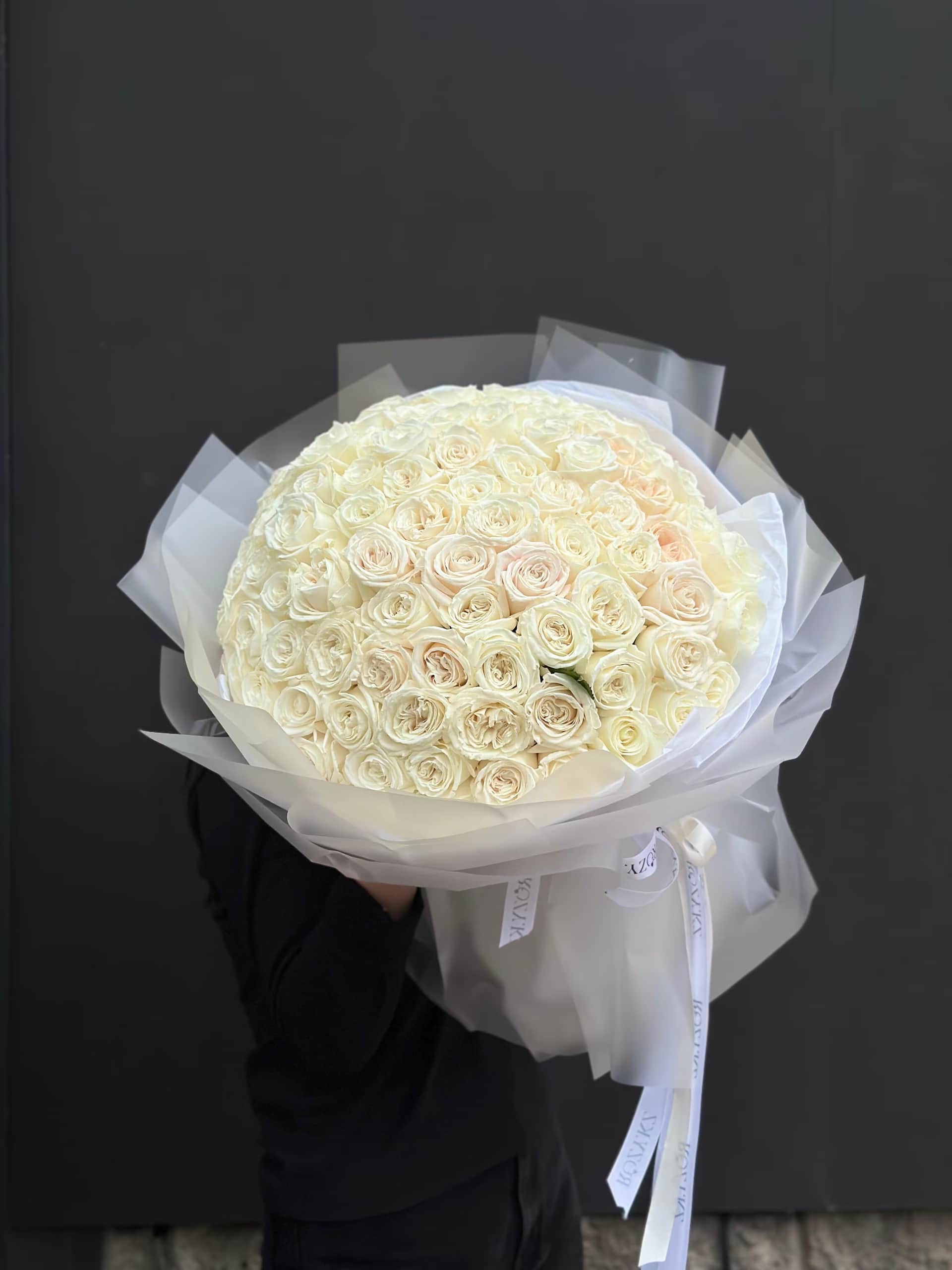
A single flower is a symbolic token of attention. 3–5 stems — a light, friendly gesture, ideal for colleagues. 7–11 — the standard birthday bouquet. 15–21 — a serious gift for a milestone birthday or anniversary. 25–51 — a declaration of love, a grand romantic gesture. 101 roses are for truly special occasions: a marriage proposal or a wedding anniversary.
What rose colors mean
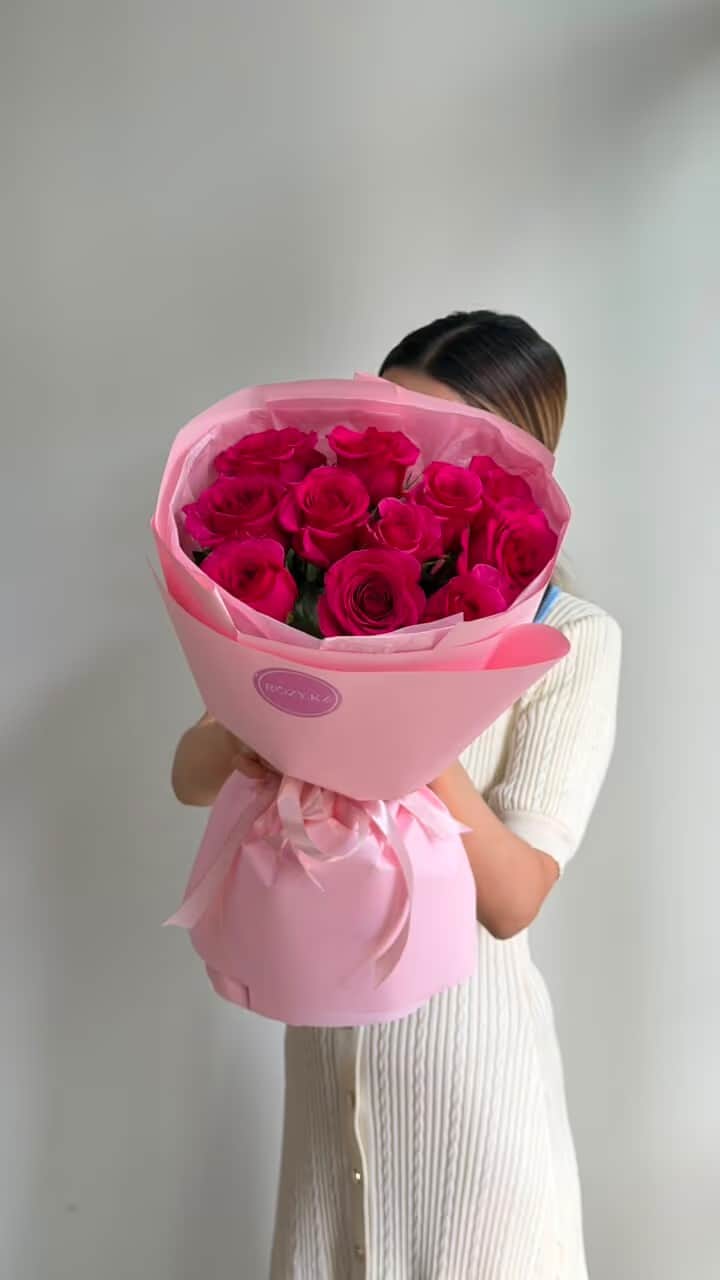
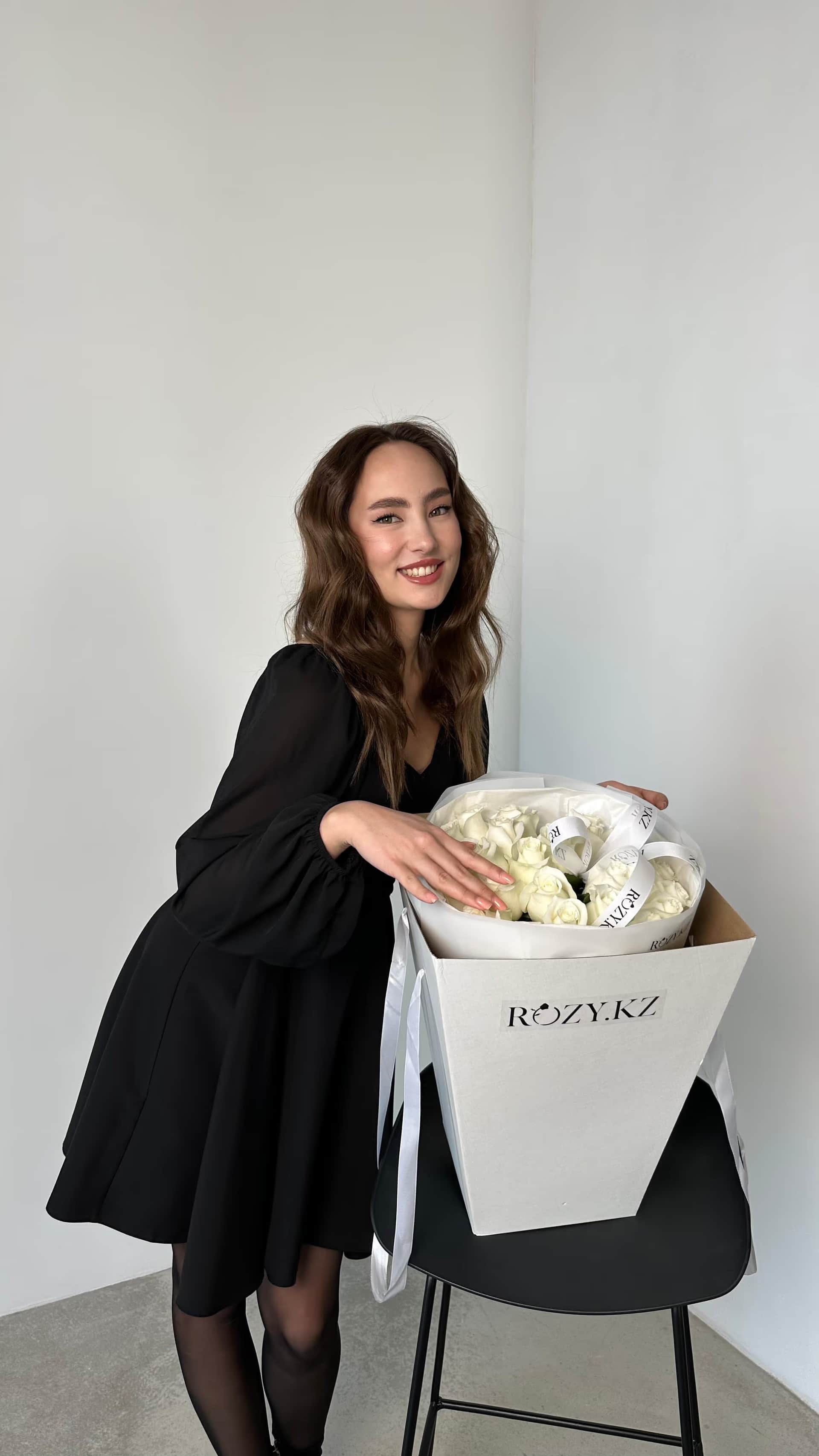
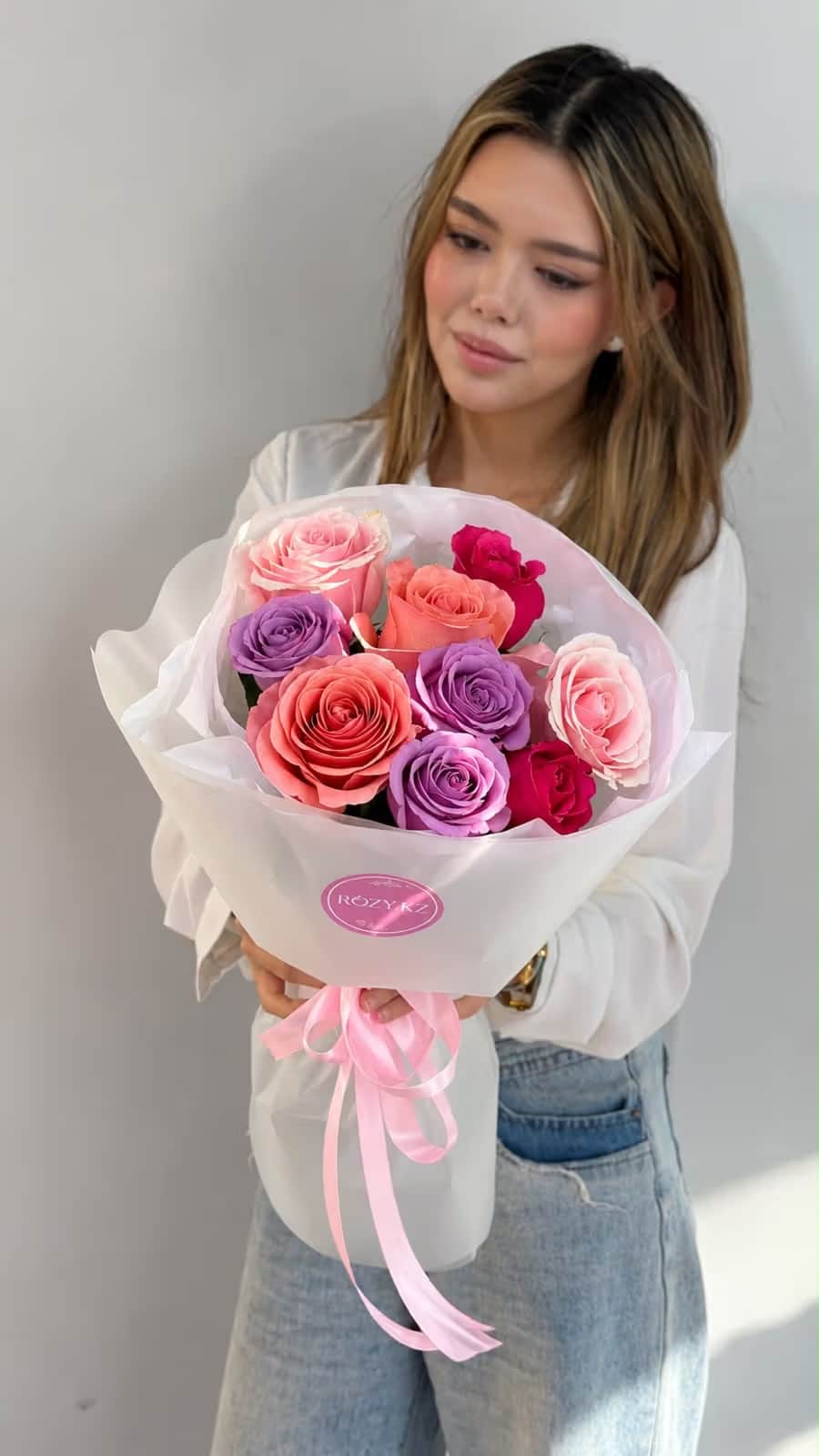
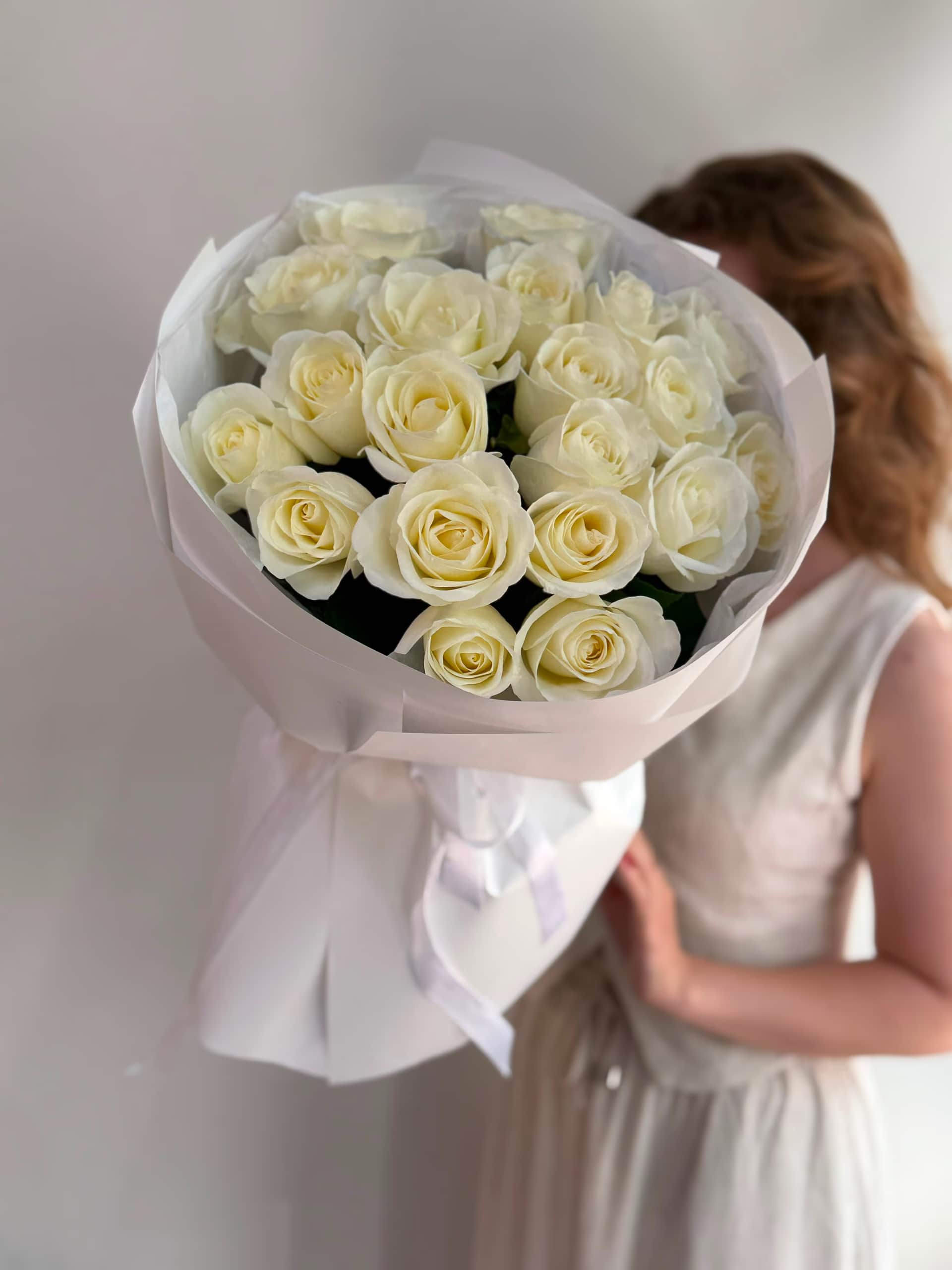
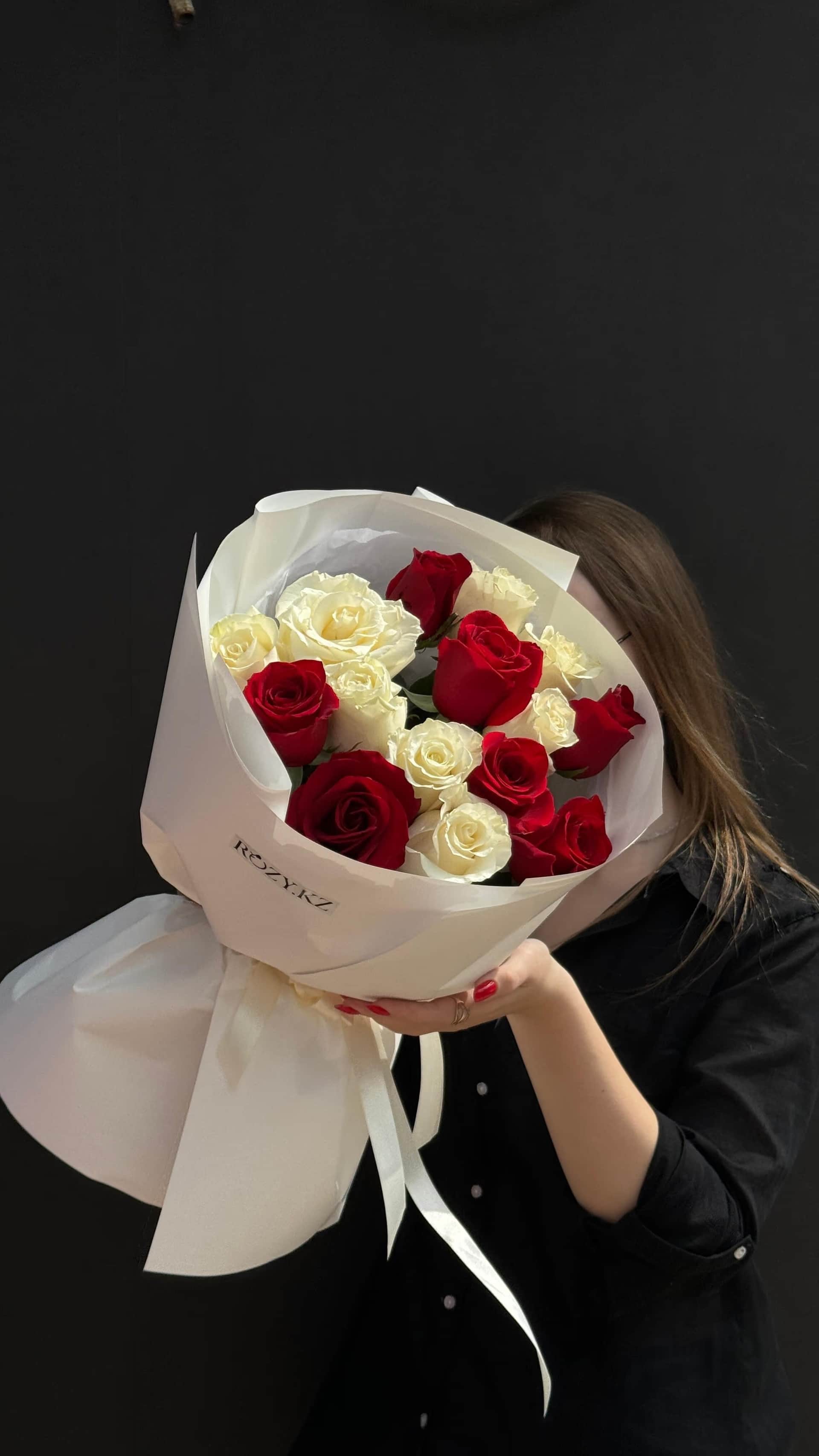
Red — passionate love, the classic romantic gesture. White — purity and respect, perfect for mothers and brides. Pink — gentle affection and gratitude. Yellow — friendship and joy (NOT separation, despite the persistent myth). Orange — energy and admiration. Purple — mystery and originality. Black and deep burgundy — mourning or deliberate provocation.
Which flowers for which recipient
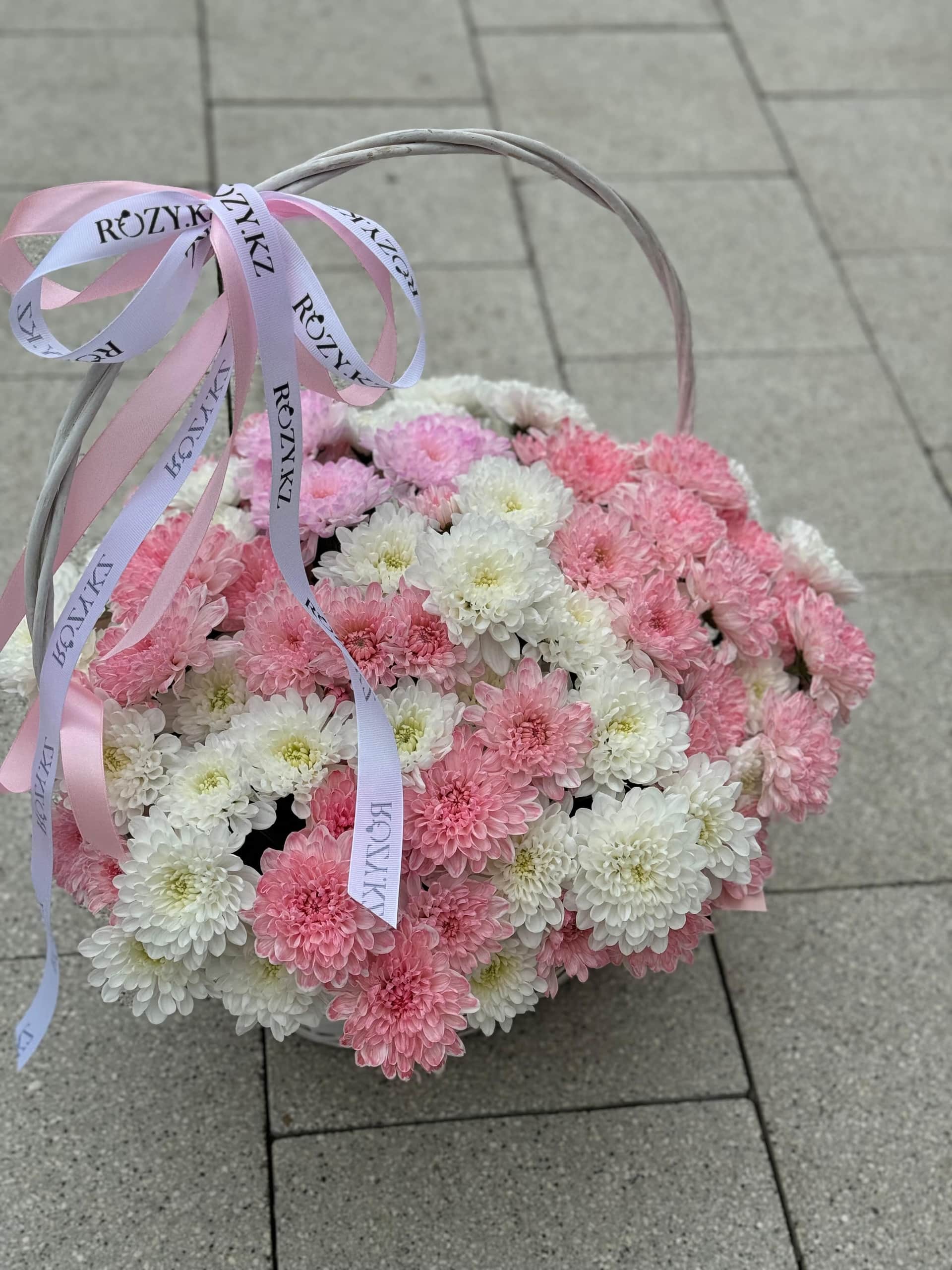
For your mother or older women — peonies, white or soft pink roses, classic arrangements. For your girlfriend — red roses, designer bouquets, garden roses. For a colleague — neutral chrysanthemums, lisianthus, tulips. For a teacher — white or pink roses with gypsophila. For a grandmother — peonies and lilies. For a man — restrained mono-bouquets of lilies or exotic orchids, no wrapping.
Wrapping and presentation
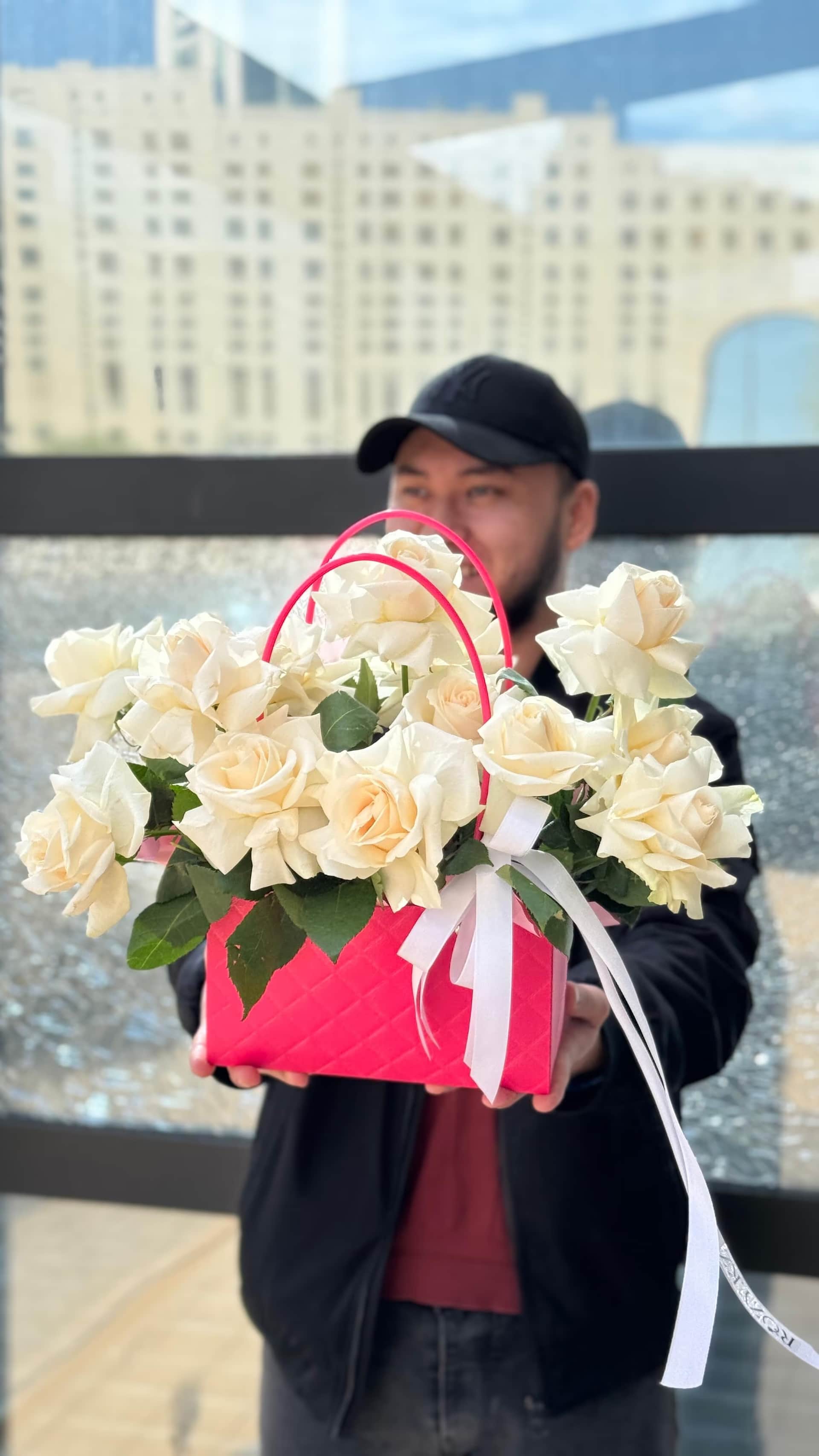
Hand over a bouquet with the wrapping facing you and the blooms facing the recipient — a basic rule of etiquette. Always remove the price tag first. Avoid black-and-white film (a mourning symbol). For romantic gestures, choose kraft paper or the flower shop’s signature wrapping; for business occasions, minimal wrapping or clear cellophane works best.
A card and a few words
A short, sincere card is remembered far longer than a lengthy speech. The format: a name, a one- or two-line wish, a signature. For example: “To Anna, happy birthday. May every day bring you joy. Sergey.” Anonymous bouquets are fine for secret admirers, but never for work or business occasions — they only create awkwardness.
When and where to present flowers
At someone’s home — within the first 10 minutes of your visit, before coats come off or everyone sits down. At work — hand them over in person, never leave them on a desk. At a restaurant — before or after dinner, not during the meal. At the airport or train station — when meeting or seeing someone off. At a maternity hospital discharge — give them to the new father or mother before leaving the ward.
Funeral and memorial bouquets
Even numbers only (2, 4, 6, 8, 10). Predominantly white or red carnations and dark chrysanthemums. No bows or bright wrapping. Off-limits: pastel roses, tulips, and any flowers with romantic symbolism. In Kazakhstan, the 40-day memorial also follows mourning conventions.
Flowers for men
Men receive flowers less often, but it is entirely appropriate: for milestone birthdays, thesis defenses, business openings, corporate awards. Good choices: mono-bouquets of lilies, anthuriums or orchids; exotics (strelitzias, proteas); restrained arrangements without bows. Avoid pastel peonies and delicate pink roses — they may come across as out of place.
Corporate etiquette
In a business setting: female colleagues get 5–11 flowers on March 8, a female manager gets a neutral mid-size bouquet of 11–21 stems for her birthday, and partners receive an arrangement with no personal undertones for a company opening or anniversary. Avoid lavish red roses for your boss (romantic connotations) and overly expensive bouquets for a junior employee.
Delivery instead of handing over in person
Modern etiquette fully accepts delivery as a legitimate way to give flowers — especially for busy people and romantic surprises. Use services that send a photo confirmation for peace of mind. Anonymous delivery is only appropriate in relationships where both people know each other, so it doesn’t create discomfort.
International differences
In Japan, even numbers are acceptable, while white lotuses signify mourning. In China, red is lucky and white means mourning. In the US there are no particular taboos. In Muslim families, skip the exotics and follow local traditions. In Kazakhstan, urban customs are close to Russian and European ones, though regions may have their own nuances.
⚠️ The biggest mistakes
- An even number of flowers for the living (a funeral symbol here)
- Forgetting to remove the price tag before handing over the bouquet
- Black-and-white film instead of festive wrapping
- Holding the blooms toward yourself when presenting the bouquet
- Giving your manager a bouquet with overtly romantic symbolism
Order the right bouquet with delivery
ROZY florists will help you pick a birthday bouquet or one for any other occasion — give us a call or browse the catalog. Flower delivery across Astana in 60–90 minutes.
Browse the catalog